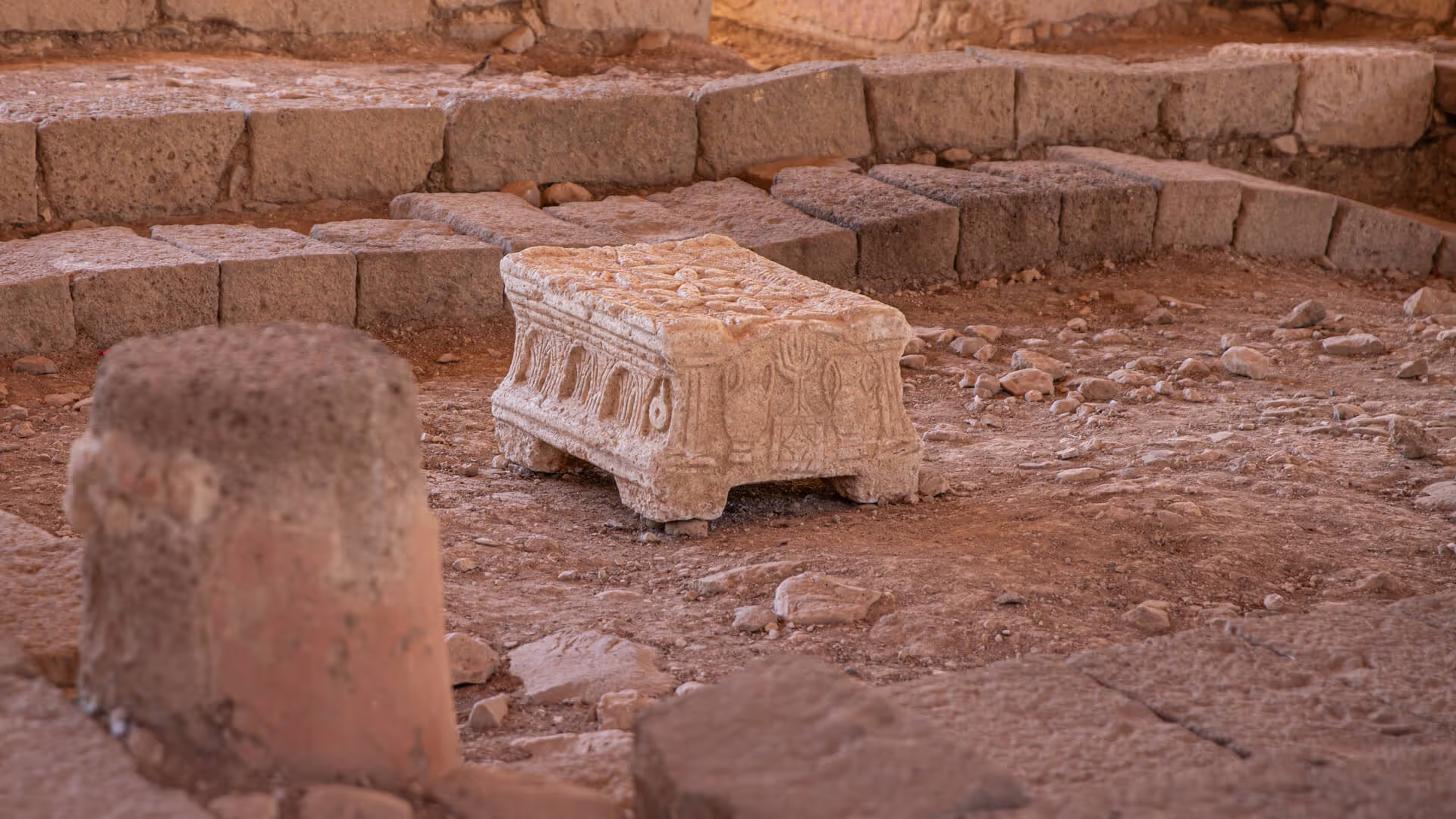
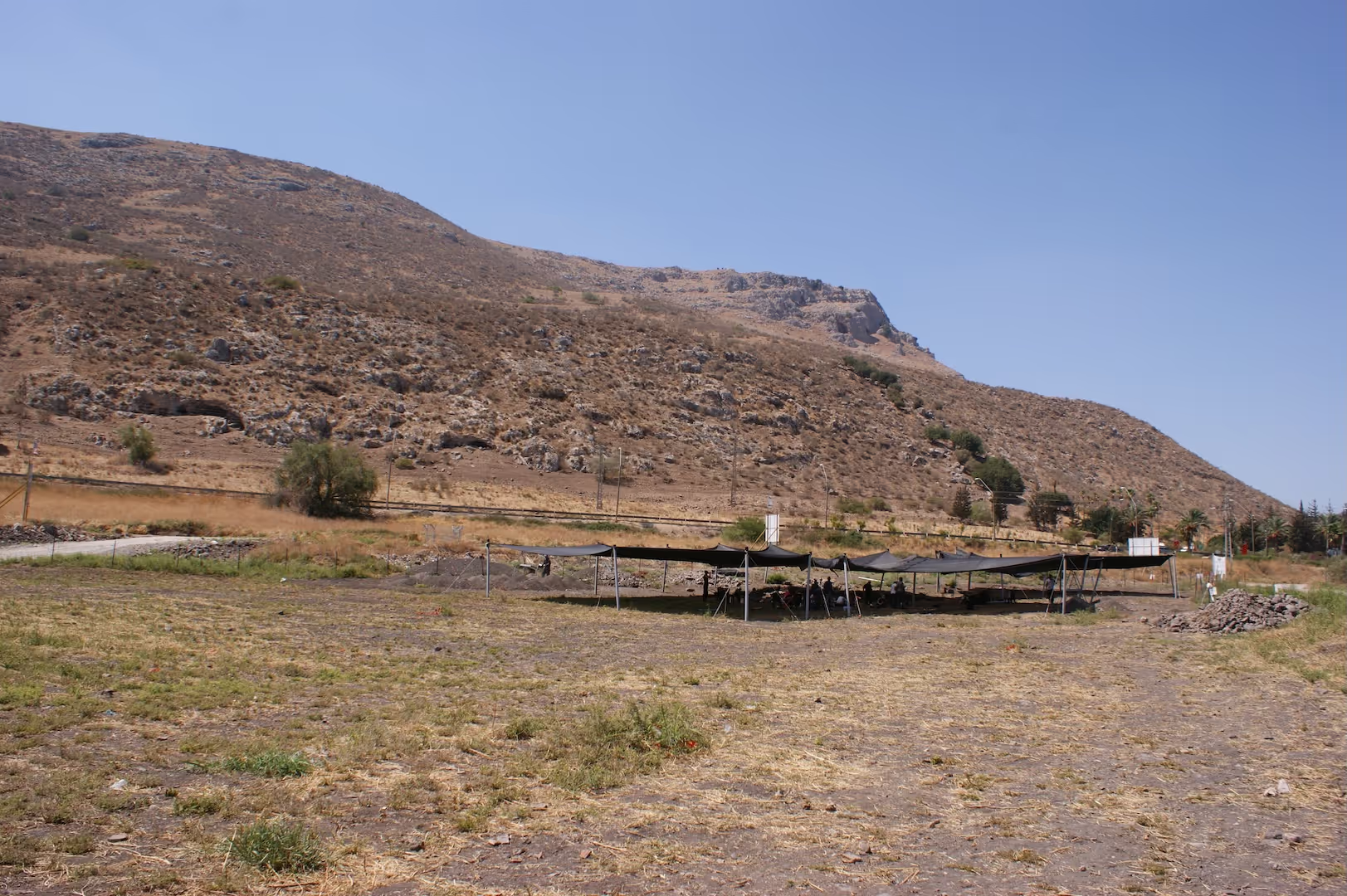
Sixteen years ago, Magdala was very different from how it looks today. It consisted only of open fields and a few tents for archaeologists who were just beginning to work on the site. To anyone driving along the road, Magdala was simply an empty field; perhaps, for those more familiar with the region, the archaeological site under Franciscan custody existed, although it remained a secret surrounded by Mount Arbel, the Sea of Galilee, and “fields” that later became the archaeological site we visit today.
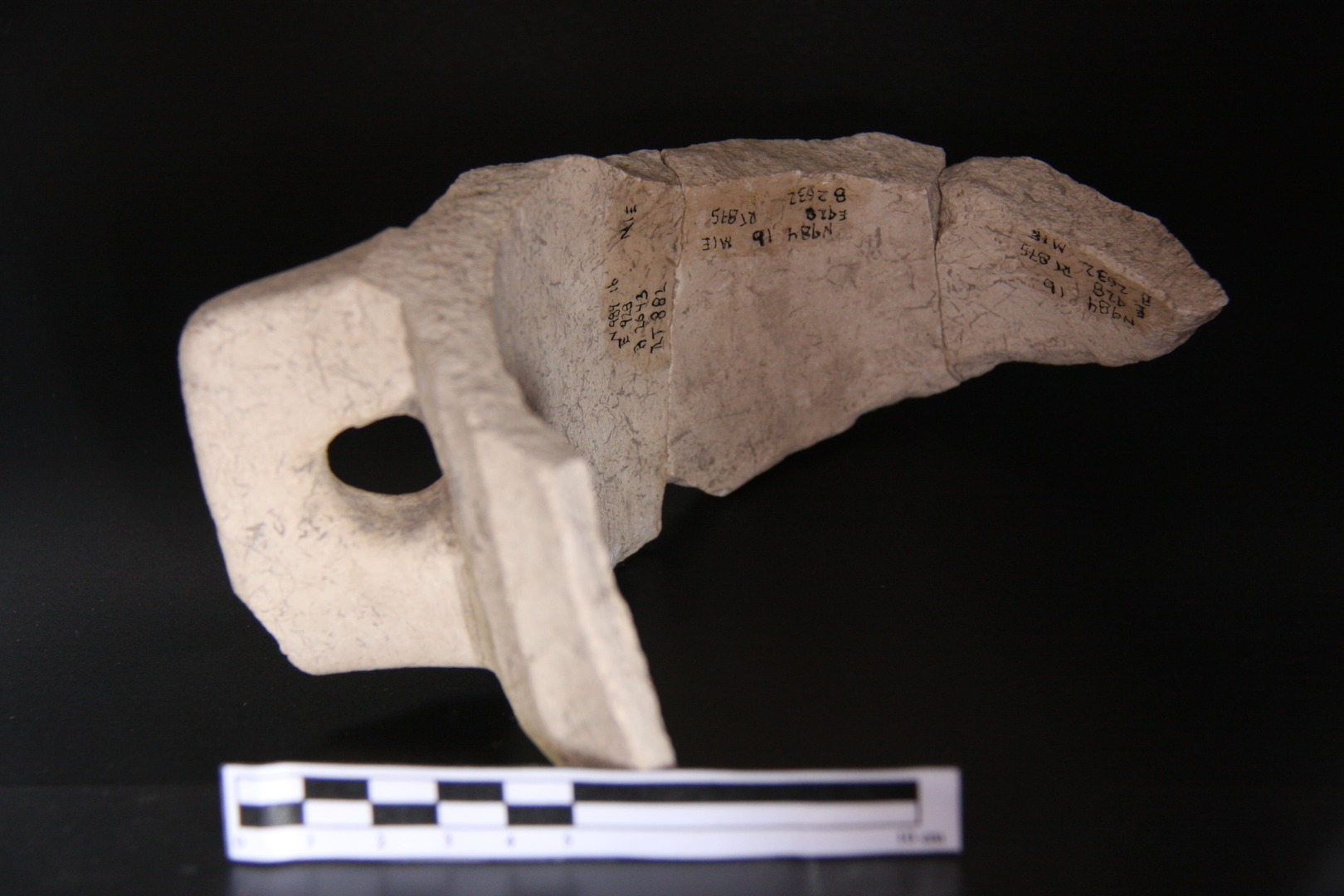
In the summer of 2010, geophysical survey studies were conducted in order to determine the characteristics of the terrain prior to excavation. Through the Geophysical Prospection Laboratory of the National Autonomous University of Mexico, a magnetic survey of the site was carried out. Using techniques such as topography, electrical resistivity, magnetic gradient measurements, and ground-penetrating radar (GPR), it was possible to identify the location of the archaeological structures and estimate their depth before excavation.
Long before excavations began at Magdala and before the archaeological remains became visible, we already knew where to dig and what results we would find. After two years of continuous excavation, most of the archaeological remains that can now be visited and explored in Magdala were uncovered. Finally, in 2014, the archaeological park and the Duc in Altum were inaugurated, marking a historic moment for Magdala, where it is now possible to visit and better understand this first-century settlement.
Discover more articles from this category